Study on Energy Consumption of Hotel Based on Extended STIRPAT Model

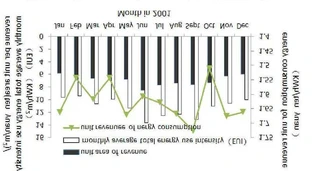 Image credit: Zongjie Du
摘要
Energy consumption of hotel can be a hot topic in smart city. To find the key impact factors of energy consumption to realize the energy saving target. This paper examined the impact factors of occupancy rate, unit area of revenue, temperature factor and unit revenue of energy consumption. However, the current study on energy consumption of hotel is limited to the relationship with the single impact factor at home and abroad. In this paper, by taking the energy consumption data of a five-star hotel as a case, we explored the impact factors of occupancy rate, unit area of revenue, temperature factor and unit revenue of energy consumption on energy use intensity (EUI) change based on the extended STIRPAT model. Empirical results indicate that factors such as occupancy rate, unit area of revenue, and unit revenue of energy consumption can cause an increase in energy consumption of the hotel, but temperature factor can lead to a decrease in energy consumption of the hotel. The empirical results also reveal that the extended STIRPAT model can be used to predict and evaluate energy consumption of hotel. Finally, the study can provide managerial reference according to the regression results for energy saving management of hotel.
类型
出版物
2016 Chinese Control and Decision Conference (CCDC)
Authors

Authors
正教授
博士,教授,硕士生导师,人工智能技术海洋场景化应用山东省工程研究中心副主任,青岛市人工智能海洋技术创新中心副主任,青岛科技大学数学与交叉研究院副院长。山东赛区数学建模竞赛专家组成员、山东省数学会理事、山东省应用统计学会理事、人工智能海洋学专业委员会委员。近年来,主持或参与国家自然科学基金、省自然基金、省教改项目等各类教学科研项目20多项,在国内外期刊发表学术论文80余篇,其中被SCI、EI检索70余篇,参编教材1部。指导学生参加全国大学生数学建模竞赛、中国研究生数学建模竞赛、美国大学生数学建模竞赛等各类竞赛获国家一等奖9项、国家二等奖29项、国家三等奖13项、山东省一等奖37项、山东省二等奖12项、山东省三等奖7项。指导本科生参加国家大学生创新计划项目4项。
Authors
Authors